
The Appeal of South Indian Cuisine
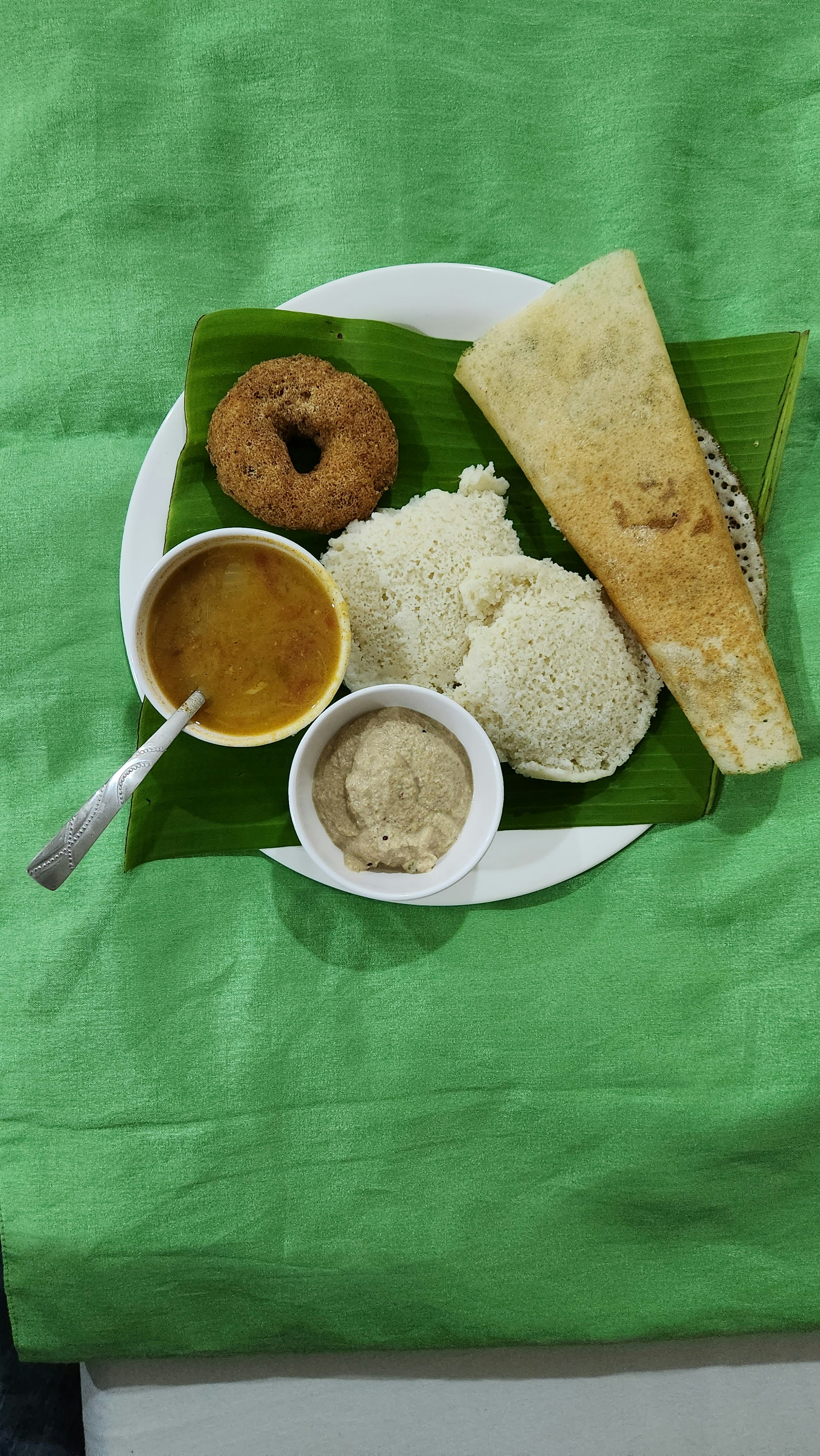
South Indian cuisine is celebrated for its rich tapestry of flavors, textures, and aromatic ingredients that set it apart from other regional varieties in India. Renowned for its extensive use of rice, lentils, and traditional spices, dishes such as dosa, idli, sambar, and rasam not only reflect the culinary prowess of the region but also its cultural heritage. Each meal typically features a variety of flavors—from spicy and tangy to savory and sweet—thus offering an unparalleled gastronomic experience.
A significant aspect of South Indian cuisine is its health-conscious approach. The use of traditional spices such as turmeric, cumin, and coriander offers natural health benefits, including anti-inflammatory and antioxidant properties. These ingredients are integral to many popular dishes, making South Indian food not just a treat for the palate but also a healthy choice for individuals looking to maintain a balanced diet. Furthermore, the cooking methods used, often involving steaming and fermentation, contribute to enhanced nutrient absorption and digestibility.
The growing affinity for South Indian cuisine in the United States is evident, as many individuals are increasingly embracing its flavors and cooking techniques. An example includes food enthusiasts who have begun experimenting with dosa-making at home, incorporating traditional spices and fresh vegetables. These experiences can be incredibly rewarding, as many discover the joys of not only cooking but also sharing these culinary creations with family and friends. As awareness of South Indian cuisine spreads, it serves as a bridge to connect diverse food lovers with a vibrant cultural heritage.
Thus, the rich flavors, health benefits, and cultural significance of South Indian cuisine contribute significantly to its appeal, especially as it gains traction in the culinary landscape of the United States. Embracing this cuisine is not only about enjoying distinctive flavors; it is also about celebrating a rich cultural tapestry that has much to offer.
Where to Find South Indian Products in the US
For enthusiasts seeking authentic South Indian products in the United States, various sources provide a wide range of options. Physical Indian grocery stores are often the first stop for those looking to gather essentials. These stores typically stock staple ingredients such as rice, lentils, spices, and snacks unique to South Indian cuisine. Establishments like Patel Brothers, an extensive chain, cater specifically to the Indian community and often carry region-specific items, which are essential for creating traditional dishes.
In addition to traditional Indian grocery stores, health food stores that focus on international ingredients can also serve as valuable resources. Many of these stores offer organic versions of popular South Indian products, including specialty spices and health foods, catering to the growing demand for natural and organic options. Checking local health food chains may uncover unique finds that are perfect for preparing authentic dishes.
Online shopping has significantly broadened access to South Indian products. E-commerce platforms like Amazon and specialty Indian online retailers provide a wide selection of items, including hard-to-find ingredients and regional specialties. The convenience of online ordering makes it easier to access products that may not be available in local stores. Moreover, subscribing to newsletters or alerts from these online vendors can inform you about sales and new product launches, ensuring you never miss out on unique South Indian offerings.
For those interested in a more immersive experience, seasonal local festivals or cultural exhibitions often feature stalls selling South Indian products. Attending these events not only supports local artisans but also provides an opportunity to explore a variety of authentic goods. Engaging with vendors at these festivals can lead to discovering regional specialties, homemade snacks, and even cooking demonstrations that highlight the versatility of these products.
Popular South Indian Ingredients and Their Uses
When exploring the vibrant culinary landscape of South India, certain ingredients stand out for their integral role in traditional dishes. Understanding these ingredients not only enhances the cooking experience but also allows enthusiasts to appreciate the rich tapestry of flavors and textures characteristic of South Indian cuisine. Among the essential ingredients, rice, lentils, spices, coconut, and tamarind hold prominent places.
Rice, a staple in South Indian households, comes in various varieties, including Basmati, Sona Masoori, and traditional varieties like Ponni and Kuruva. Each type has distinctive qualities, from aroma to flavor, that significantly influence the final dish. Nutritionally, rice is a source of carbohydrates and provides energy essential for daily activities. Choosing the right type of rice depends on the dish being prepared, with Sona Masoori often favored for everyday meals due to its lightness and ease of cooking.
Lentils are another cornerstone of South Indian cooking, with varieties such as Toor dal, Moong dal, and Urad dal being particularly popular. These legumes are rich in protein, dietary fiber, and essential minerals. They can be used in various preparations, including sambar, dals, and chutneys. When selecting lentils, opting for fresh, unpolished varieties enhances flavor and nutritional benefits.
Spices such as mustard seeds, cumin, curry leaves, and coriander are essential for seasoning and enhancing the depth of South Indian dishes. Mustard seeds add a nutty flavor, while curry leaves impart a unique aroma. It is advisable to buy whole spices and grind them as needed to retain freshness. Storing spices in an airtight container away from light can prolong their potency.
Specialty items like coconut and tamarind are vital for achieving authenticity in South Indian recipes. Coconut is used in various forms—grated, milk, or oil—offering rich flavor and healthy fats, whereas tamarind provides a tangy taste that balances the richness of ingredients. Properly storing coconut in the refrigerator and tamarind in a cool, dry place will help maintain their quality and flavor.
Integrating these ingredients into everyday cooking can significantly enhance the authenticity of South Indian dishes, making meal preparation a rewarding experience. Their nutritional benefits further contribute to a balanced diet, encouraging the exploration of this diverse cuisine in American homes.
Cooking South Indian Dishes at Home
Cooking South Indian dishes at home can be a rewarding and delightful experience. South Indian cuisine is renowned for its vibrant flavors and variety, making it an excellent choice for culinary enthusiasts. To get started, consider preparing some beginner-friendly recipes that require minimal ingredients and equipment. One such dish is the classic ‘Vegetable Sambar’, a lentil-based stew that features a medley of vegetables and tempered spices, which is typically served with rice or dosa.
To master the art of South Indian cooking, it is essential to understand key techniques, such as tempering spices. This process involves heating oil and adding whole spices, releasing their essential oils and creating a fragrant base for your dish. Additionally, fermenting batters is crucial for traditional items like idli and dosa. This fermentation process enhances the flavor and texture, making the final products light and fluffy. To ferment batters at home, it is usually effective to leave them in a warm area for several hours or overnight, depending on the ambient temperature.
For those looking to elevate their skills, numerous resources are available. Consider exploring cookbooks dedicated to South Indian cuisine, such as “Dakshin” by Chandra Padmanabhan, which provides a comprehensive guide to traditional recipes. Additionally, online cooking classes focusing on South Indian dishes can be an interactive way to learn new techniques and gain confidence in the kitchen. Platforms like YouTube also offer numerous tutorials that cover a wide range of South Indian recipes, from the complexities of preparing biryani to simpler dishes like coconut chutney.
By following these suggestions and embracing the unique elements of South Indian cooking, you’ll be well on your way to creating flavorful dishes that will impress both your palate and your guests.